
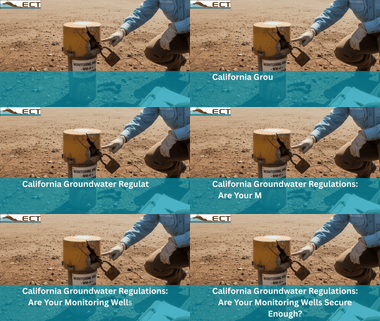
California Groundwater Well Security & Compliance Guide
Posted by Walford Guillaume on Feb 9th 2026
California Groundwater Regulations: Are Your Monitoring Wells Secure Enough?
Picture this: You're standing on a dusty industrial site in Southern California, clipboard in hand, when the state inspector walks up to your monitoring well. Within seconds, they notice the faded plastic cap, the compromised lock, and the exposed casing. What should have been a routine inspection just became a compliance nightmare. Sound familiar?
If you've ever felt that sinking feeling during a site inspection—or worse, received a violation notice for inadequate well security—you're not alone. Throughout California, from the sprawling developments of Los Angeles to the industrial corridors of Oakland, environmental professionals are discovering that groundwater monitoring well security is no longer just a best practice. Moreover, it's become a critical compliance requirement that can make or break your project timeline, your budget, and your professional reputation.
Why California's Groundwater Standards Demand Your Attention
California doesn't just have strict groundwater protection standards—it has some of the most comprehensive and rigorously enforced regulations in the entire United States. Consequently, what might pass inspection in other states simply won't cut it here. But why does the Golden State take groundwater security so seriously?
The answer lies in a perfect storm of challenges: rapid urban development encroaching on sensitive aquifers, aging infrastructure that threatens water quality, and mounting environmental pressures from drought and contamination. As a result, state and local regulators have ramped up oversight, scrutinizing every detail of how monitoring wells are installed, maintained, and protected.
For environmental professionals working across diverse fields—whether you're in remediation, environmental monitoring, geotechnical engineering, or water quality testing—the message is crystal clear: Your monitoring wells must demonstrate intentional protection. Furthermore, they need to withstand both the scrutiny of inspectors and the harsh realities of California's field conditions.
The Hidden Costs of Cutting Corners
Here's a question worth considering: What's the true cost of an inadequate well cap? At first glance, opting for a cheaper plastic cap or reusing an old, weathered lock might seem like smart budgeting. However, experienced site managers know that these "savings" often transform into expensive liabilities.
Consider what happens when well security fails:
Compliance Nightmares: Failed inspections don't just create paperwork headaches. In fact, they can halt entire projects, triggering costly delays while you scramble to bring wells up to code. Additionally, repeated violations can damage your organization's standing with regulatory agencies, making future permits harder to obtain.
Compromised Data Integrity: When unauthorized individuals access monitoring wells—whether through vandalism, tampering, or simple curiosity—the sample integrity you've worked so hard to maintain vanishes instantly. As a result, you're forced to question every data point, potentially requiring expensive resampling and analysis.
Unexpected Replacement Costs: California's intense UV exposure, dramatic temperature swings, and urban environmental stresses wreak havoc on substandard materials. Consequently, that plastic cap you installed six months ago might already be cracking, fading, and failing. Before long, you're back on site, spending time and money replacing components that should have lasted years.
Safety and Liability Concerns: An unsecured well isn't just a regulatory issue—it's a potential safety hazard. Moreover, if someone falls into an exposed well or introduces contaminants through an unsecured access point, your organization could face serious legal and financial consequences.
What Regulators Really Look for During Inspections
Let's step inside the mind of a California environmental inspector for a moment. When they arrive at your site, what immediately catches their attention? Interestingly, it's often not the complex technical details buried in your monitoring reports. Instead, it's the visible, tangible signs of site management—or lack thereof.
A professional-grade locking well cap serves as a powerful first impression. It silently communicates several critical messages:
Intentionality: You've thought about well protection and invested in proper equipment. Furthermore, you understand that monitoring well security isn't an afterthought—it's fundamental to environmental stewardship.
Resource Protection: You're taking groundwater protection seriously, demonstrating commitment to California's environmental values. In addition, you're actively preventing contamination pathways that could compromise aquifer integrity.
Professional Standards: Your organization follows best practices and stays current with industry expectations. Moreover, you're prepared for the long-term responsibilities of environmental monitoring.
Risk Management: You've proactively addressed potential vulnerabilities before they become problems. Consequently, inspectors spend less time questioning your approach and more time moving through their checklist efficiently.
As a result of these positive signals, well-secured monitoring points help inspections proceed smoothly, with fewer questions, less stress, and minimal follow-up requirements. On the other hand, inadequate well security immediately raises red flags, inviting closer scrutiny of every aspect of your operation.
The Aluminum Advantage: Why Material Choice Matters
Not all locking well caps are created equal. In fact, the material choice you make today will determine whether you're replacing caps annually or maintaining reliable protection for years to come. So, what makes aluminum stand out in California's demanding environments?
Unmatched Durability: Unlike plastic alternatives that become brittle under California's relentless sun, aluminum maintains structural integrity year after year. Furthermore, it resists the thermal cycling that causes cheaper materials to crack and degrade.
Superior Weather Resistance: From the coastal salt air of San Diego to the scorching Central Valley summers, aluminum locking well caps withstand environmental extremes without deteriorating. Consequently, they maintain their protective function and professional appearance throughout their service life.
Tamper Resistance: Aluminum's strength isn't just about weather resistance—it's also about security. Moreover, robust locking mechanisms integrated into aluminum caps provide genuine protection against unauthorized access, not just the illusion of security.
Long-Term Value: While aluminum caps may represent a higher initial investment, they dramatically reduce your total cost of ownership. In addition, you'll spend less time on maintenance visits and replacement installations, freeing up resources for more productive activities.
Professional Appearance: First impressions matter, especially during inspections. Consequently, aluminum caps that maintain their appearance send a clear message about your organization's commitment to quality and professionalism.
Real-World Applications Across California's Diverse Landscapes
California's environmental challenges vary dramatically from region to region, yet the need for reliable well security remains constant. For instance, consider these scenarios:
Urban Los Angeles: On a former industrial site now slated for mixed-use development, dozens of monitoring wells dot the property. Furthermore, the site sits in a high-traffic area with public access on all sides. Here, tamper-resistant aluminum caps aren't optional—they're essential for preventing interference and maintaining the integrity of long-term monitoring data.
Oakland Industrial Corridor: A manufacturing facility maintains a network of wells monitoring a historical plume. Moreover, the site experiences regular inspections from multiple agencies. Professional-grade well caps help demonstrate ongoing compliance and facilitate smooth regulatory interactions.
San Francisco Bay Area: Coastal monitoring wells face unique challenges from salt air and moisture. In addition, property values make any compliance delays extremely costly. Consequently, durable aluminum caps that won't corrode or degrade under these conditions provide invaluable protection.
Remote Central Valley Sites: Even sites far from urban centers face security challenges. In fact, remote locations may be particularly vulnerable to vandalism or unauthorized access. As a result, robust locking mechanisms become even more critical.
Making the Switch: What to Consider
If you're currently relying on plastic caps, improvised solutions, or aging hardware, how do you know when it's time to upgrade? Moreover, what should you look for in a replacement solution?
Assess Your Current Situation: Walk your sites with fresh eyes. Are locks functioning properly? Do caps show signs of UV damage, cracking, or warping? Furthermore, have you experienced any tampering incidents or inspection concerns?
Calculate True Costs: Beyond the purchase price, consider installation time, expected service life, and replacement frequency. Additionally, factor in the hidden costs of failed inspections and compromised data.
Prioritize Critical Wells: If budget constraints exist, start by securing your most visible, most frequently inspected, or most vulnerable wells. Subsequently, you can phase in upgrades across your entire monitoring network.
Plan for Consistency: Once you identify a solution that works, standardizing across sites simplifies inventory management, training, and maintenance. Furthermore, consistency demonstrates systematic site management during inspections.
The Royer Solution: Engineered for California Conditions
When California environmental professionals need well caps that won't let them down, many turn to the Royer Aluminum Locking Well Cap. But what makes this particular solution stand out in a crowded marketplace?
The answer lies in thoughtful engineering specifically designed for demanding environmental applications. In addition, the Royer cap addresses the real-world challenges California sites face daily:
Its rugged aluminum construction provides the durability needed to withstand harsh UV exposure, temperature extremes, and physical impacts that routinely destroy lesser alternatives. Moreover, the integrated locking mechanism offers genuine security rather than token protection, deterring tampering while remaining accessible for authorized personnel.
Furthermore, the Royer cap's design prioritizes both function and appearance. Consequently, it helps your monitoring wells look professional and well-maintained throughout years of service—exactly the impression you want to make during regulatory inspections.
For teams managing multiple sites or long-term monitoring programs spanning years or decades, this combination of security, durability, and professional appearance provides genuine peace of mind. As a result, you can focus on your core environmental work rather than constantly worrying about well cap failures.
Your Path Forward: Taking Action Today
Securing your monitoring wells might seem like a small detail in the grand scheme of environmental compliance. However, as any experienced California environmental professional will tell you, it's often these "small details" that determine whether projects proceed smoothly or encounter costly obstacles.
So, what's your next step? Begin by honestly assessing your current well security situation. Furthermore, consider not just whether your wells are technically compliant today, but whether they'll remain secure and professional-looking throughout your monitoring timeline.
Remember, every time an inspector, client, or stakeholder visits your site, your monitoring wells make a statement about your organization's values and professionalism. Moreover, in California's increasingly scrutinized environmental landscape, that statement matters more than ever.
Stay Compliant. Stay Secure. Stay Professional.
Groundwater protection represents a shared responsibility among all environmental professionals. Consequently, securing your monitoring wells isn't just about avoiding violations—it's about demonstrating genuine commitment to environmental stewardship and professional excellence.
The question isn't whether you can afford to upgrade your well security. Rather, it's whether you can afford not to. After all, the true cost of inadequate well protection extends far beyond the price of a cap—it encompasses compliance risks, data integrity concerns, and the professional reputation you've worked hard to build.
Ready to ensure your monitoring wells meet California's demanding standards while projecting the professionalism your projects deserve? Discover how the Royer Aluminum Locking Well Cap delivers the durability, security, and reliability California environmental professionals depend on.
Stay compliant and secure. View the Royer Aluminum Locking Well Cap here: https://ectmfg.com/product/royer-aluminum-locking-well-cap